Creating Safe Spaces
This is a resource page for our network partners
To best serve Manatee residents, especially vulnerable populations such as the elderly, homeless, undocumented, LGBTQIA, disabled and many others, these links provide helpful resources to inform staff and clients. While this is not an exhaustive list, it is a live resource page that is updated regularly. We want to feature your resources too! Please share them with us at [email protected]
Resource Topics

Accessibility for Every Body
Accommodations to consider for those who have a physical disability:
- Room to move and a clear path to travel
- Easily accessible (no basements, elevators, long walks from the parking lot to entrance)
- Support from volunteers or staff to carry groceries
- Offer delivery service
- Reach range: check by sitting down in a chair and reaching to items; offer adaptive tools like a "reach/grab" tool
- For hard of hearing: offer more signage and option to write notes
Building Belonging
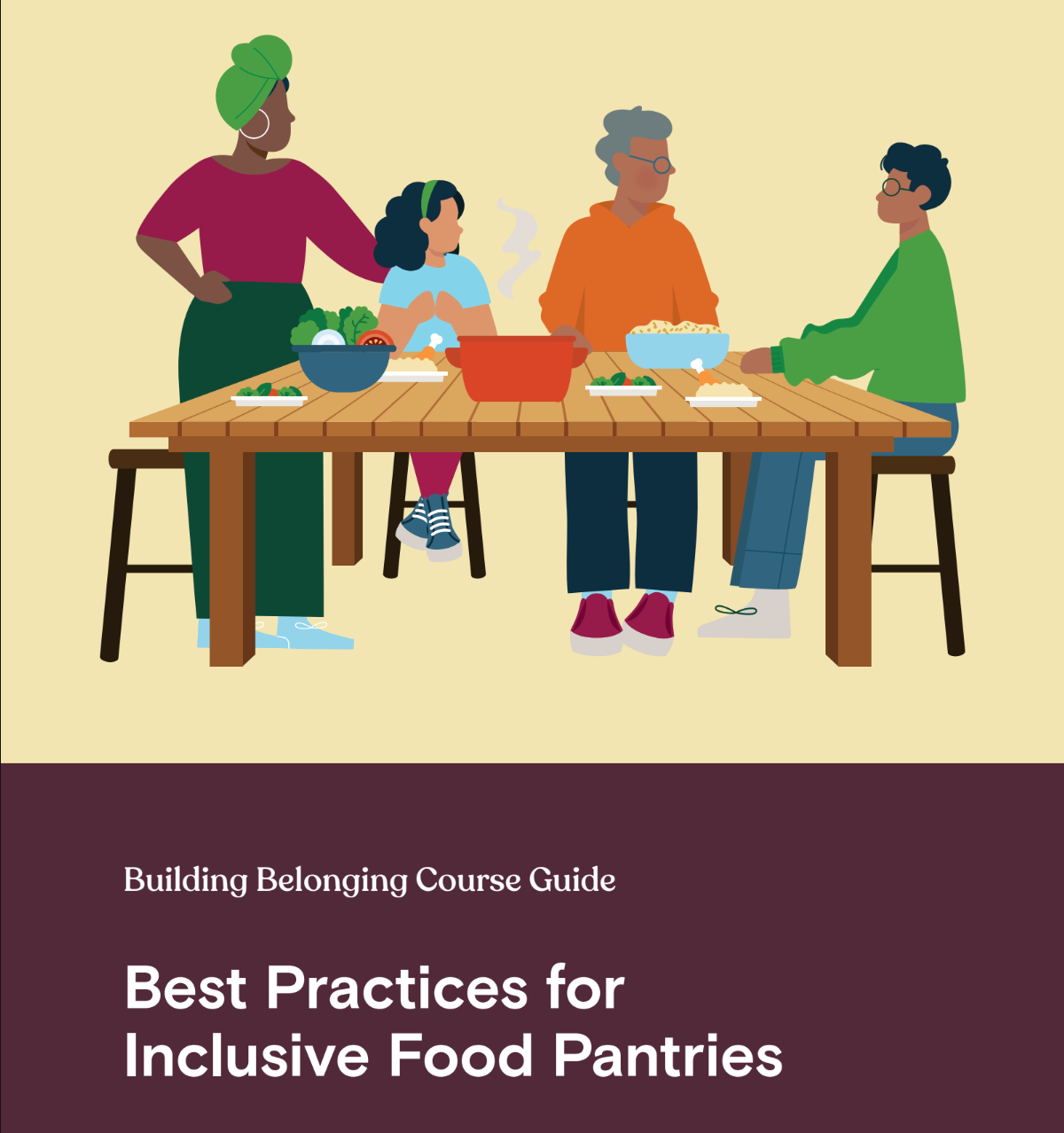
This is a guide to great best practices for inclusive food pantries. No time to read? Here is a quick (very quick) recap:
- Never assume: ask for pronouns!
- Be deliberate with your words
- Practice patience and kindness to overcome language barriers
- Offer translation of important information
- Eye contact and a smile can go a long way
- Engage on a deeper level: hire staff & volunteers from bicultural backgrounds
- Establish Client Advisory boards
- Offer culturally and religiously appropriate food preferences
Feeding our Youth
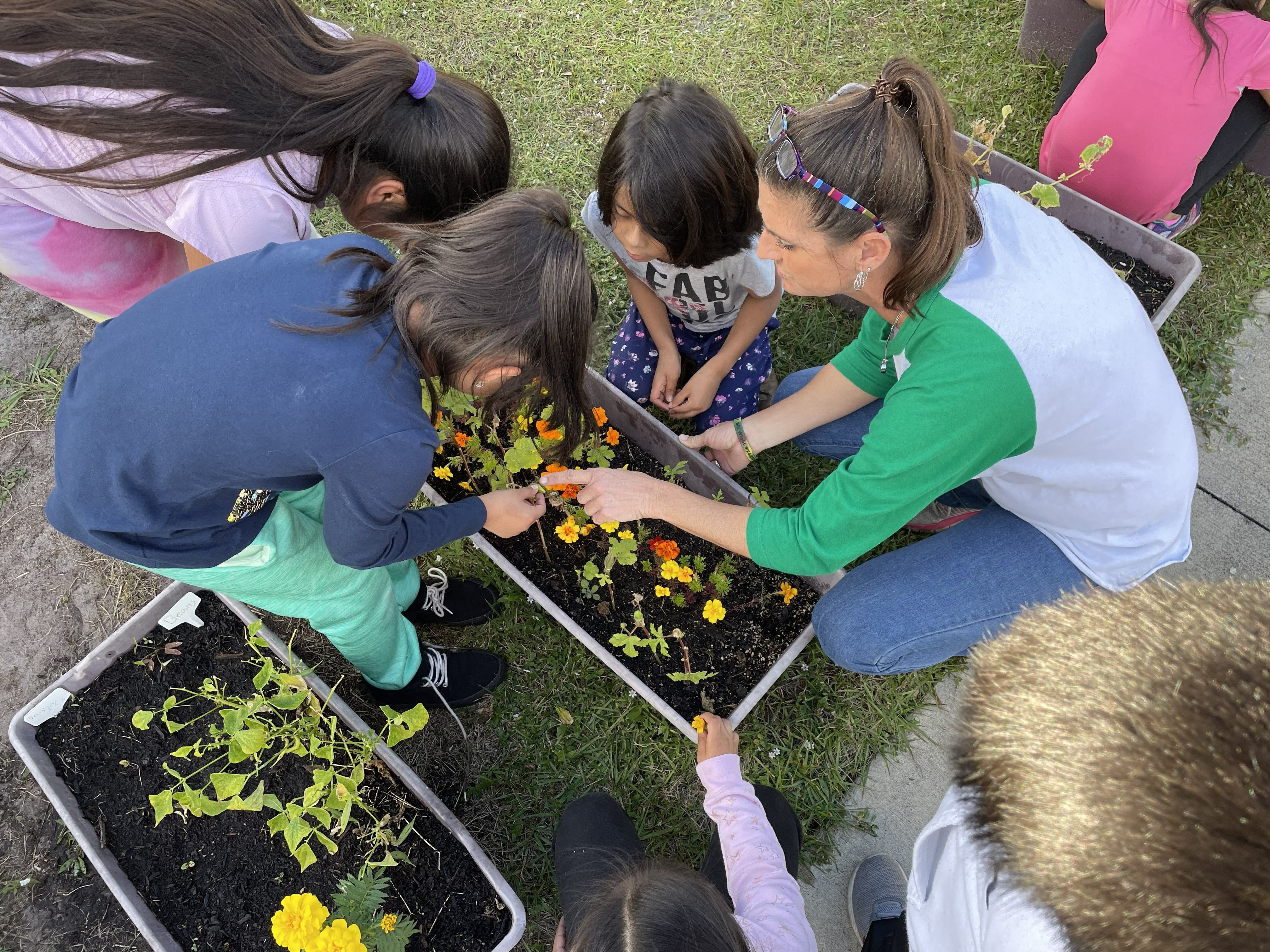
Did you know that with the School District of Manatee County, breakfast is FREE for all students?

UnidosNow
Build a welcoming space for immigrants
- Create signs in multiple languages with welcoming messages like "No ID, No Problem" or "Safe Space for ALL," and post them at your entrance.
- Through your signage and outreach, reassure clients that no personal information will ever be shared with outside entities or authorities, and that assistance is available to everyone, regardless of immigration status.
- If possible, bring food donations directly to clients if they are scared to leave their home or offer mobile food services that bring food closer to their homes.
- Share "Know Your Rights" cards with your clients so they are informed.

Homeless Education 101
Considerations for serving the unhoused and homeless:
- Offer ready-to-eat and easy-to-prepare food that does not require heating, cooking, refrigeration or cutting (such as sandwiches, cut fruit, single serving drinks, protein bars, etc.)
- Offer hygiene kits
- Find resources for ADA-accessible showers and laundry service that can be shared during distribution or meal service
- Build rapport by educating volunteers, staff and donors on the complexity of homelessness, to think about assumptions and stereotypes (review the Building Belonging Guide)
- Offer mobile pantries and hours that fit the clients

Immigrant Legal Resource Center
Red Cards / Tarjetas Rojas
All people in the United States, regardless of immigration status, have certain rights and protections under the U.S. Constitution. The ILRC's red cards give examples of how people can exercise these rights. However, they do not provide individualized legal advice. Community members are encouraged to check in with a trusted legal service provider for questions about their situation.
Todas las personas en los Estados Unidos, independientemente de su estatus migratorio, tienen ciertos derechos y protecciones bajo la Constitución de los Estados Unidos. Las tarjetas rojas del ILRC dan ejemplos de cómo las personas pueden ejercer estos derechos. Sin embargo, no dan consejo legal individualizado. Les avisamos a los miembros de la comunidad que consulten con un proveedor de servicios legales de confianza si tienen preguntas sobre su situación.
Feeding Those in Active Addiction (Substance Abuse Disorder)
Our neighbors experiencing substance abuse disorder may have different needs to consider.
Quick facts:
- Malnutrition is prevalent among individuals with substance abuse disorder diagnoses.
- Addiction and appetite impact the brain in similar ways to motivate behavior.
- Malnutrition can increase drug-seeking behavior.
- Treatment is more effective when nutritional support is incorporated.
Types of food to offer:
- Nutritious snacks that contain protein and complex carbohydrates (whole wheat or whole grain products), fruits, and vegetables.
- Foods rich in fiber.
- Water, water, water (hydration supports withdrawal symptoms).
- Items that require less preparation, such as microwavable and low- or no-sodium vegetables, and pre-sliced fresh fruit or fruit cups packed in water or fruit juice.
Source: Utah State University, HEART Extension

Seniors Struggling with Hunger
51% of our residents over 65 years old are below the ALICE threshold. This means that they do not meet the basic household survival budget to cover housing, food, transportation, healthcare, technology and taxes.
Important considerations for our seniors, elders, and food pantries:
- Offer delivery, mobile pantry services or transportation
- Easily accessible (remove physical barriers such as stairs, long walks, etc.)
- Offer a volunteer peer-shopper to help choose items and load the vehicle
- Additional signage for the hard of hearing
- Offer ready-to-eat and easy-to-prepare food that does not require heating, cooking, refrigerating or cutting (such as sandwiches, cut fruit, single serving drinks, etc.)
Resources:
- To reach the Manatee County Elder Helpline, call (941) 742-5818
- Meals on Wheels Plus of Manatee, home-delivered meals, call (941) 747-4655
- Manatee County, Aging Services, call (941) 749-3030
Serving Those Who Served
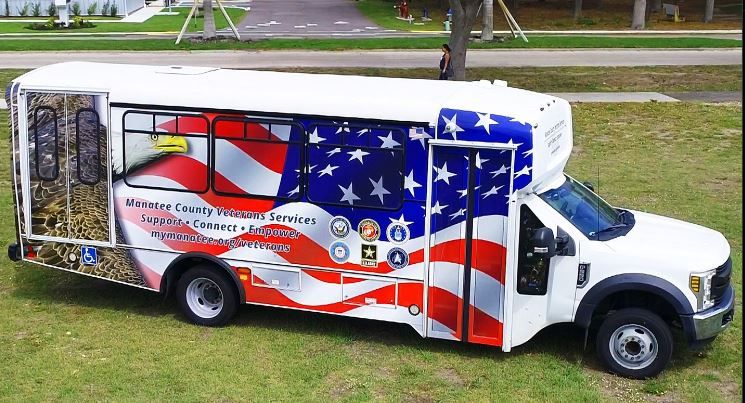
24% of active-duty service members were food insecure in 2020 due to low pay, difficulty for partners of military family members to find steady jobs, few military assistance programs nearby, unexpected expenses, and not being eligible for some food assistance programs because they are considered to have too much income (Feeding America).
Help veterans and their families by:
- Thanking them for their service
- Creating a veterans pantry, which may be a special day(s) of the month only for veterans and their families, including any guardsmen, reservists, and military retirees
- Actively involving veterans and their families to volunteer, and offering job opportunities or a seat on an advisory committee
- Inviting them to join the Veteran Coffee Social every Tuesday between 10–12pm
Supporting Client Choice
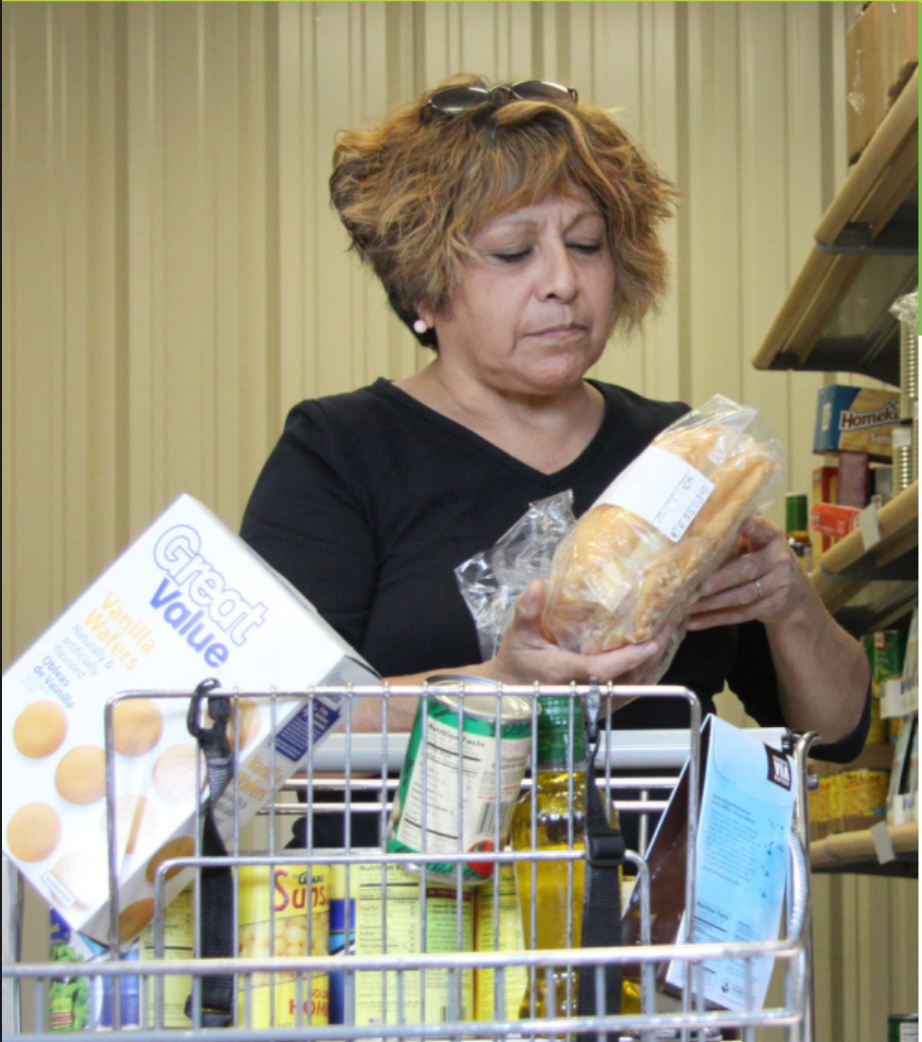
This series is intended for food pantries and other relief groups looking to enhance their operations:
- Learn how to implement client choice
- Better meet the needs of clients
- Promote dignity
- Did you know? Some evidence suggests that goals are needed so that food pantry clients take enough food. Given the option to shop freely, without goals, many will take less food than they need, because they believe other people will need the food more than they do.
Fast Facts: Food Prices and Hunger
Fast facts on hunger in Manatee County as of September 2026 with links to USDA reports and local survival budgets.
This informational sheet is helpful to know and use when speaking about hunger in Manatee County.